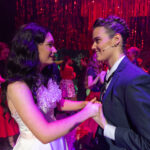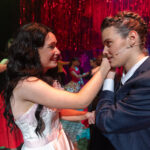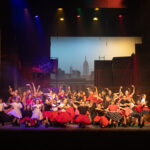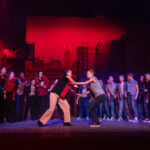




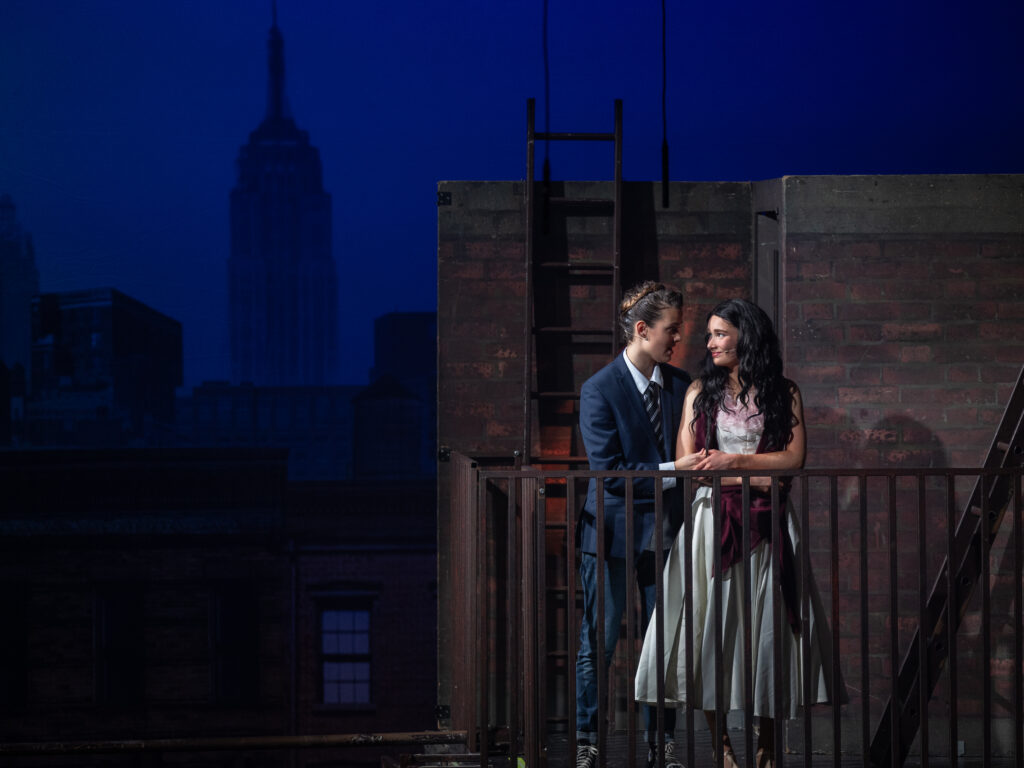
Surbiton High School brought the entire community together in a spectacular whole-school production of West Side Story at the New Wimbledon Theatre. Pupils from the Senior School, Sixth Form, Boys’ Prep, and Girls’ Prep united on stage and behind the scenes, showcasing extraordinary talent in acting, dance, and music. Director of Drama and Dance, Mr Griffin, chose this year for the musical because of the depth of talent across the School, and the result was a powerful celebration of unity, creativity, and Surbiton spirit!
We interviewed Mr Griffin to get a behind-the-scenes access…
Why did you feel this was the right year to stage West Side Story?
I think there are two main reasons. We’ve contemplated putting it on before, but in the past we’ve been a little intimidated by the three major aspects of musical theatre performance: characterisation, singing, and dancing. Arthur Laurents was very committed to naturalism and influenced by key naturalistic practitioners, so we knew the predominantly young 1950s gang male characters had to be performed with real believability. On top of that, the score is incredibly complex and demanding, requiring sharp discipline in both singing and dancing.
Coming off the success of our last two musicals, Oliver! and The Addams Family, we felt it was time to step up the level of challenge. Although we had a fairly inexperienced cohort of older pupils, we knew there was a lot of raw talent and ambition, so we wanted to throw ourselves in at the deep end this year.
The second reason—honestly—was inspired by Spielberg’s motivation for creating his film version of West Side Story (2021). Sometimes the reason for staging a piece of art is influenced by the sociopolitical climate of the time. Right now, we’re living through an era of flux, with increasing unease and intense debate over the treatment of migrants and border enforcement. West Side Story is a show without clear “bad guys”; its only antagonist is the division and fear between cultures in its setting.
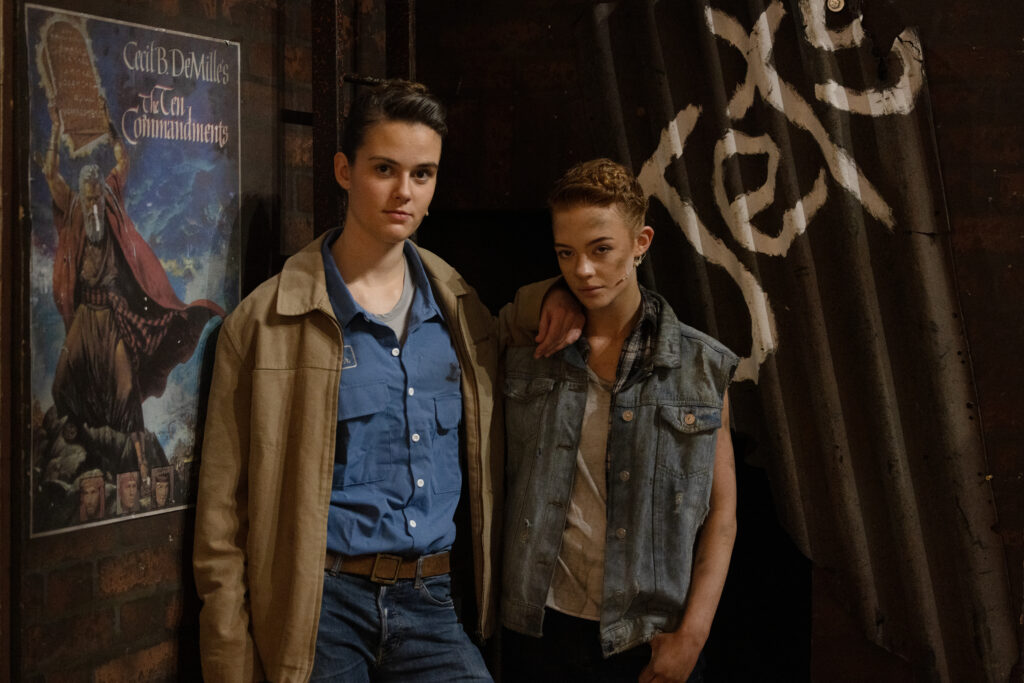
What kind of opportunities did this production create for pupils?
A few years ago, we looked into the data behind involvement in large co-curricular events such as our musical, and how it related to attainment in assessments and exams. It’s easy to assume that time spent on a project pupils are passionate about might detract from academic studies, but the opposite was overwhelmingly true when we crunched the numbers.
Through the process, pupils build resilience, develop organisational skills, and learn to work collaboratively and passionately for a greater good beyond their own ambitions. Interestingly, the first thing staff always mention about what pupils gain is always a sense of joy, friendships, and lifelong memories And of course, they get to perform in one of London’s largest theatres – the eighth largest!
How did the presence of prep school pupils enrich the spirit of the show?
Sharing the production with our prep schools feels like an essential ventricle in the beating heart of the show. In the eyes and faces of pupils leaving the stage, the adults who enable them see the same wonder that drew us into the performing arts in the first place. Having an age group on stage that wears its heart on its sleeve is a privilege, and it makes the long hours of rehearsal worthwhile.
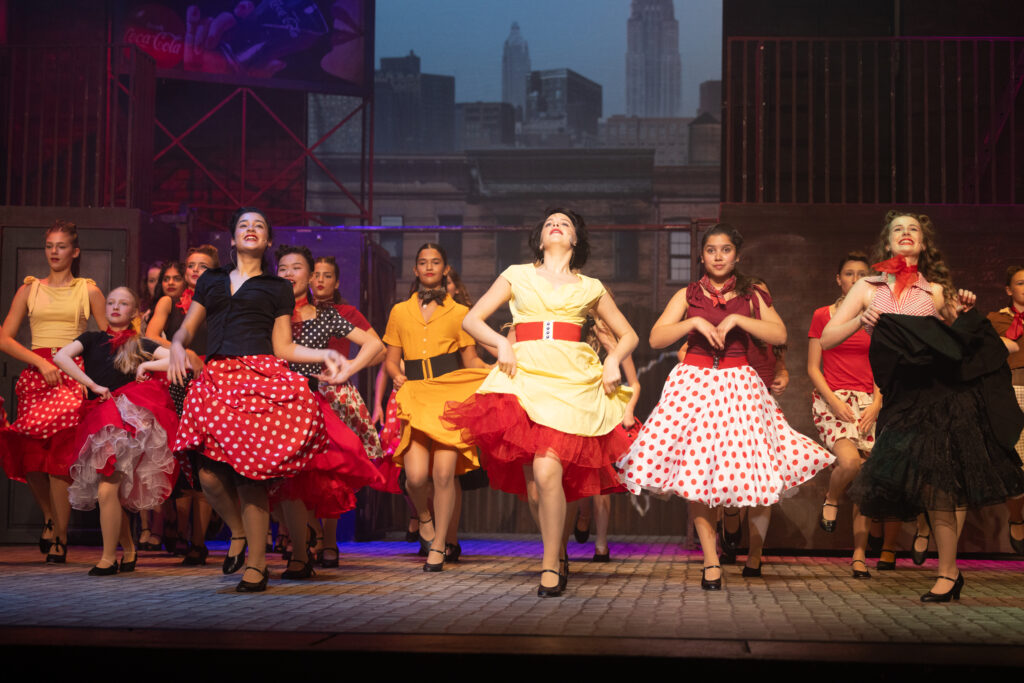
How did actors, dancers, and musicians collaborate to bring the show to life?
We structure rehearsals in a fairly unique way for a large school show. During auditions, we ask pupils what days they’re available and build a bespoke schedule around that. This means a young person who is passionate about sport, art, languages, etc, doesn’t have to choose between rehearsals and their other commitments.
The result is that many aspects of the musical only come together towards the end of the process – ensemble members may not have seen the acting scenes, and stage performers often hear the band for the first time late in rehearsals. But when the puzzle pieces finally fit together, every pupil in the pit or on stage celebrates the hard work and talents of the three major musical theatre disciplines. They love seeing each other’s skills. A staff member who was involved for the first time in the show said it was one of the best experiences they’ve ever had!
How might this experience inspire pupils in the performing arts at the School in years to come?
This is a past, present, and future question. As a staff team, when we’re congratulated on the musical, we often describe it as keeping the train on the tracks that is already moving. The prep pupils who get involved are hooked from the very beginning.
For example, Jemima D, who played Tony, was once a prep ensemble member in Wind in the Willows, led across the stage by Kitty Castledine—now an alumna who plays Penny Branning in EastEnders. The influence is unstoppable. As long as we keep raising the bar, I know the pupils will keep reaching it.
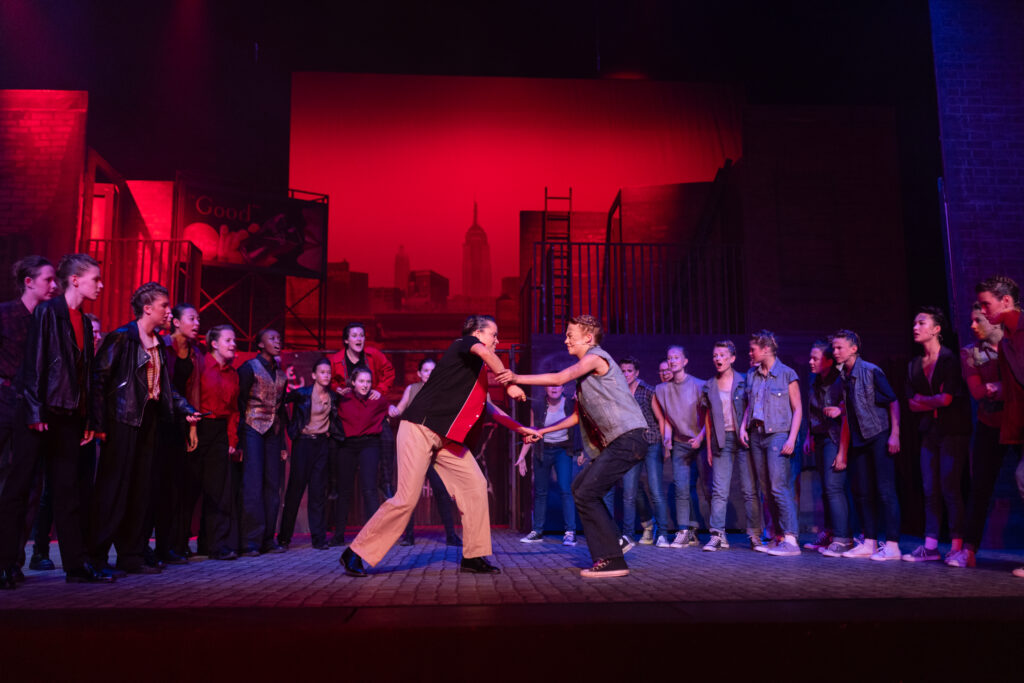
West Side Story Gallery