



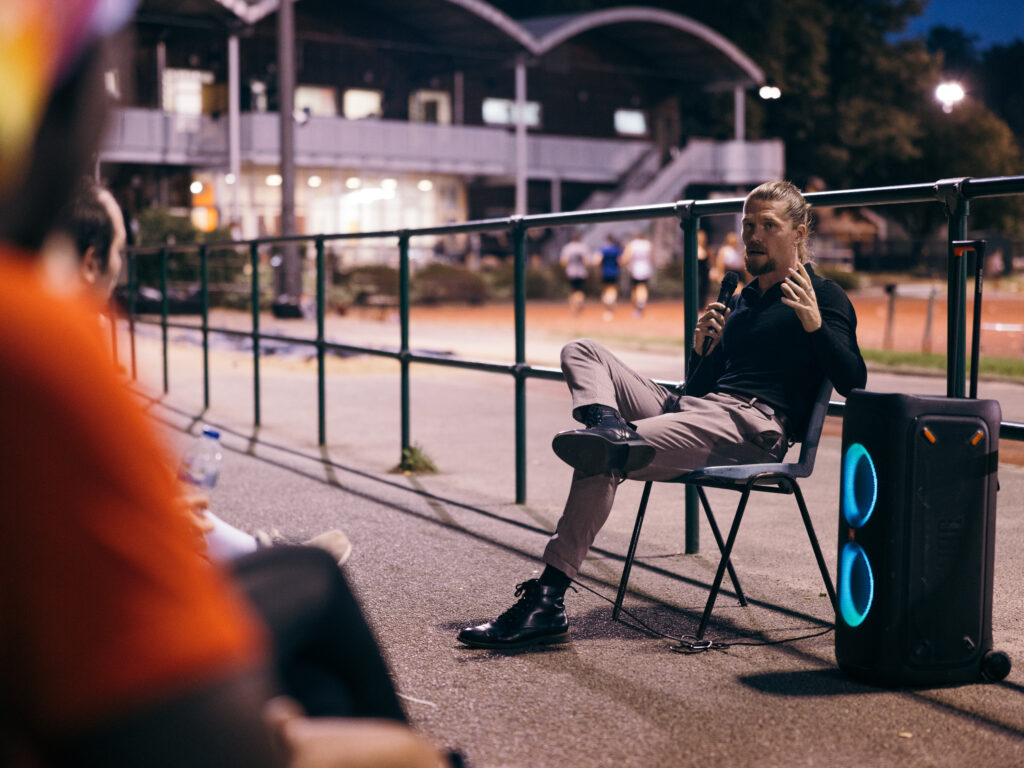
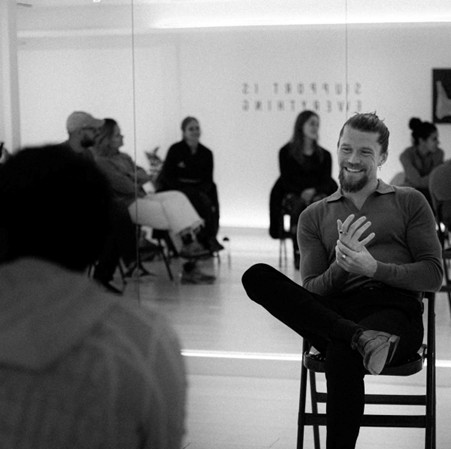
We spoke with Mr Joshua Trigwell, Sports Psychology & Performance Advisor at the Boys’ Prep, to explore how sports psychology is shaping boys’ development beyond the playing field. Mr Trigwell leads Surbiton High Boys’ Prep’s programmes in Physical Development, Sports Psychology, and Performance Testing.
In this interview, Mr Trigwell explains how his programmes prepare pupils not only for sporting success but also for exams, friendships, and the wider challenges of growing up. From resilience and autonomy to confidence and focus, Mr Trigwell shares the mental skills he believes every boy should carry with them into adolescence and beyond.
How do your programmes help boys develop skills they can use beyond sport, in exams and everyday life?
These programmes prepare boys for challenges beyond sport by focusing on more than just short-term success. For me, it’s about developing the underlying skills they’ll rely on throughout adolescence.
Right now, it’s also about them knowing they can lean on me for guidance, until the day they no longer need to. That’s when I know I’ve prepared them well, whether that’s in sport, during exams, or in everyday life. Through this process, they learn how to make good decisions under pressure and how to cope in a world that demands a lot from them.
What’s the most important mental skill you’d like every boy to learn before moving into Year 6?
I think the most important skill for boys is understanding their own triggers. That means them being able to identify an emotion, recognise what that emotion is telling them, and know which strategy to put in place. Before they commit to an action, I want them to be able to ask themselves: Is this action useful? Is this thought useful? And then, If I go into my toolbox, what strategy do I need to use right now to bring myself back to a calm, rational state?
If the boys can master that, which is not easy, they’re on a very progressive path as they move into adolescence and senior school. For me, that’s the biggest takeaway: that they can adapt this skill to their assessments, their 11+ exams, and future situations both in and outside of school.
Why is autonomy important in sport?
For me, autonomy in sport is about helping boys take real ownership of their development. One of the key ideas I teach them is that the difference between a novice and a master is simple: masters have failed more times than novices have even tried. When they understand that, failure stops being something to fear and becomes something they can learn from.
So, I try to expose them to challenge, not to overwhelm them, but to help them recognise that weaknesses are opportunities. Whether I’m assessing them or working with them in a training session, I’m always clear that my goal is to find areas where they can improve. If they’re already performing at a certain level and I can still identify a weakness, that’s incredibly positive: it means there’s a clear path to turning that weakness into a strength, and ultimately into higher performance.
I also give the boys simple protocols to help them analyse their own mistakes and understand their patterns. This encourages them to take ownership of both their strengths and their weaknesses.
With the right mindset, they begin to see improvement as something they actively drive, rather than something that happens to them. And once they grasp that, they become more independent, more reflective, and far more resilient athletes and learners.
How do you make sports psychology fun and engaging for young athletes?
It’s easy to forget sometimes you’re working with 8 to 11-year-olds, so the key is to keep it simple, practical, and engaging. At that age, we know research shows you can’t identify a future Olympic champion or professional athlete, so the focus is on building foundations rather than predicting outcomes.
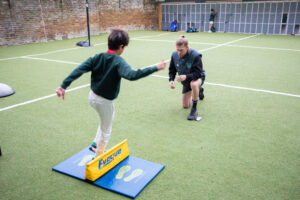
For me, sports psychology for this age group is about the basics: improving attention and focus, encouraging positive self-talk, and introducing simple visualisation techniques. I try to make it as practical as possible, often embedding these concepts into small games and challenges. For example, we track progress so the boys can see their own development over time, which celebrates small wins and keeps motivation high.
I also use reflection in a playful way. Before the next exercise or game scenario, I might ask the boys to think back to a moment when they performed really well, what it looked like, how it felt, and then carry that into the next challenge. This builds a subconscious connection between mental skills and performance without overcomplicating it.
Humour, storytelling, and having fun are also vital. Hard work is important, but if the boys are smiling while learning, the more receptive and engaged they are.
Combining enjoyment with effort is, in my experience, the most effective way to teach young athletes mental skills that will grow with them.
What’s the most important piece of mental preparation advice you’d give to a young person who feels nervous before a big challenge, whether it’s in sport or at School?
My advice would be simple: just go back to what you know. Don’t try to be smart or different, just do what works for you in that moment. Focus on controlling what you can and let go of what you can’t.
That might mean controlling physiological things, like your breathing, or managing your thoughts by distinguishing between what’s useful and what isn’t. It’s also important to understand that you are not your emotions, but you can use them. Channel the energy from nerves or excitement into focus, so it helps you perform in the next moment, whether that’s a skill in sport or a question in an exam.
The key is learning to use your mind and emotions as tools, not obstacles.
What excites you most about the future of sports psychology at the Boys’ Prep?
What excites me most is the opportunity to build a culture where mental skills are seen as just as important as physical ones. We’re moving into a space where boys don’t just learn how to run faster or jump higher, but how to think, reflect, and respond to pressue in a healthy and productive way.
For me, the future is about embedding these principles so deeply into our programme that they become part of the boys’ everyday habits, not just something they switch on for sport. When boys begin to understand their own minds, when they can navigate difficult emotions, stay composed under pressure, and bounce back from mistakes, that’s when real growth happens.
I’m also excited by how collaborative this work can be. Sports psychology doesn’t sit in isolation; it supports academic learning, wellbeing, character development, and the wider school experience. Seeing teachers and even the boys themselves begin to recognise the value of these skills tells me we’re building something meaningful and sustainable.
Ultimately, what excites me is knowing that we’re helping boys develop tools that will serve them long after they leave Boys’ Prep. If we can cultivate confident, reflective, resilient young people who understand that improvement is always possible, then the impact goes far beyond sport, and that’s what makes this work so powerful.